How New Zealanders Define a Good Home
How New Zealanders Define a Good Home
Ask people across New Zealand what makes a good home and the answers rarely begin with size, resale value or expensive finishes.
They begin with comfort.
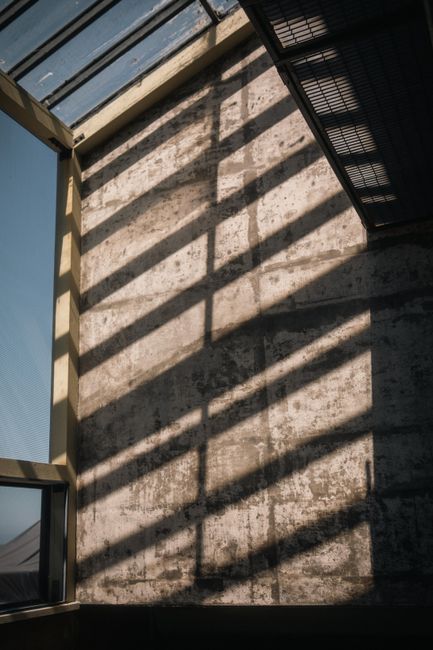
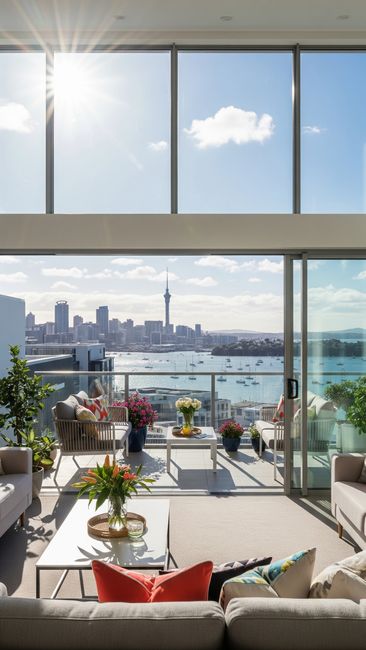
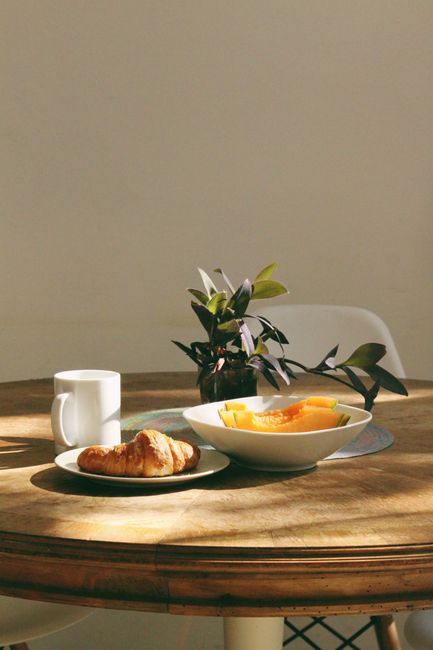
Morning light reaching the kitchen table.
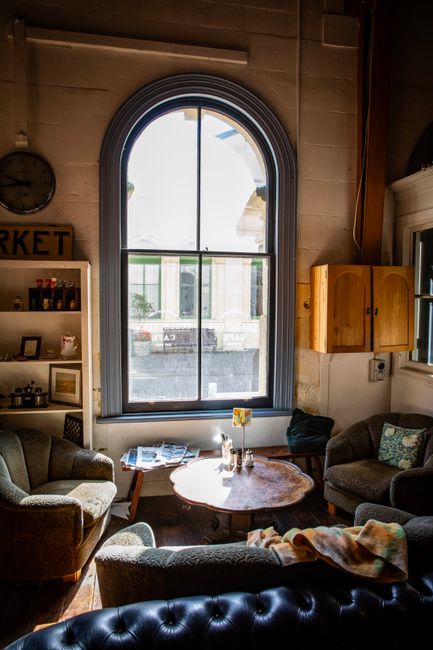
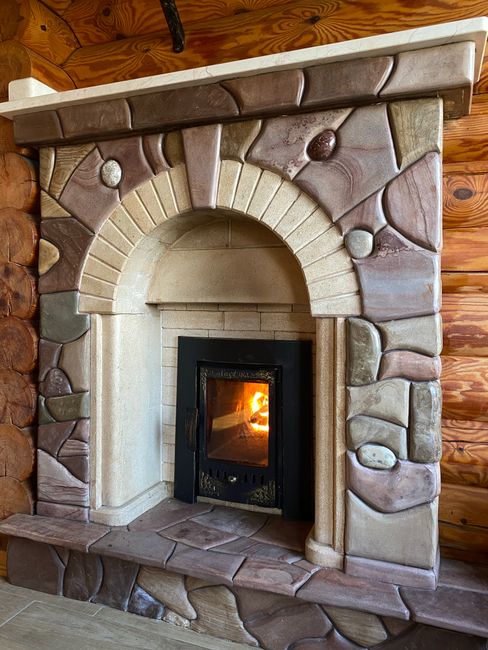
A living room that still feels warm in July.
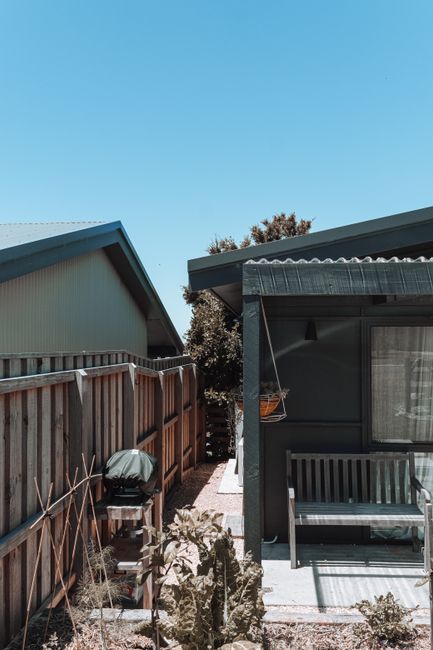
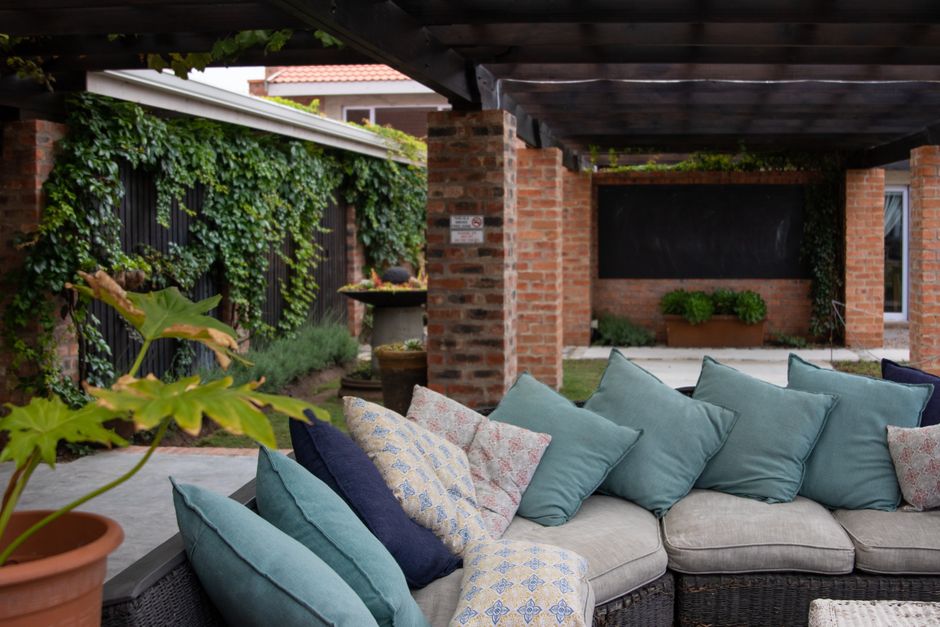
A sheltered place to sit outside when the wind rises.
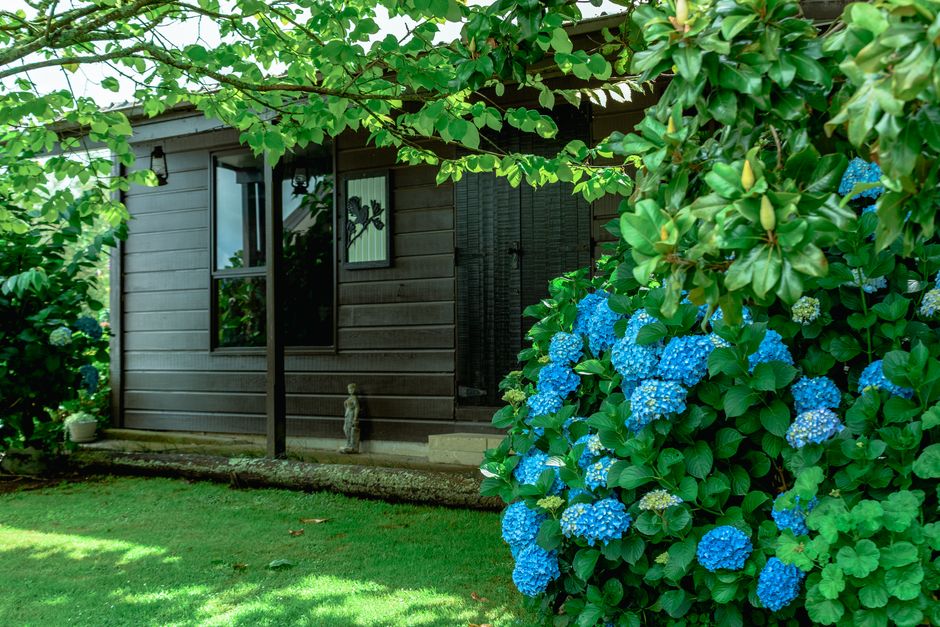
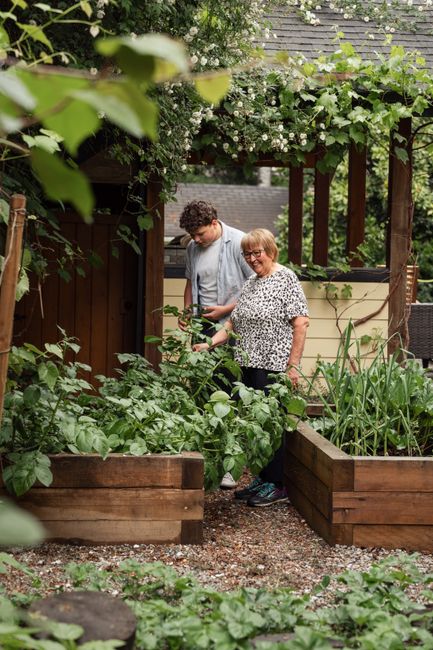
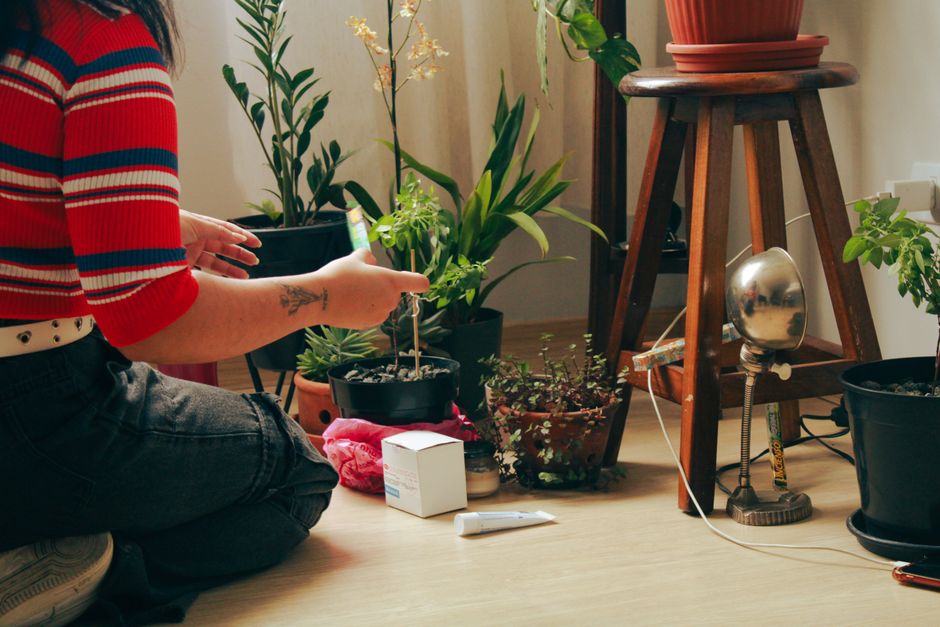
A garden that can absorb children, pets, washing, tools and the unfinished business of everyday life.
In that sense, a good home in Aotearoa is often judged less by how impressive it appears than by how well it supports ordinary routines.
It should be warm enough to relax in.
Dry enough to protect health and materials.
Flexible enough to change as households change.
And connected enough to its surroundings that people remain aware of weather, light, season and place.
That preference for performance over display has deep roots.
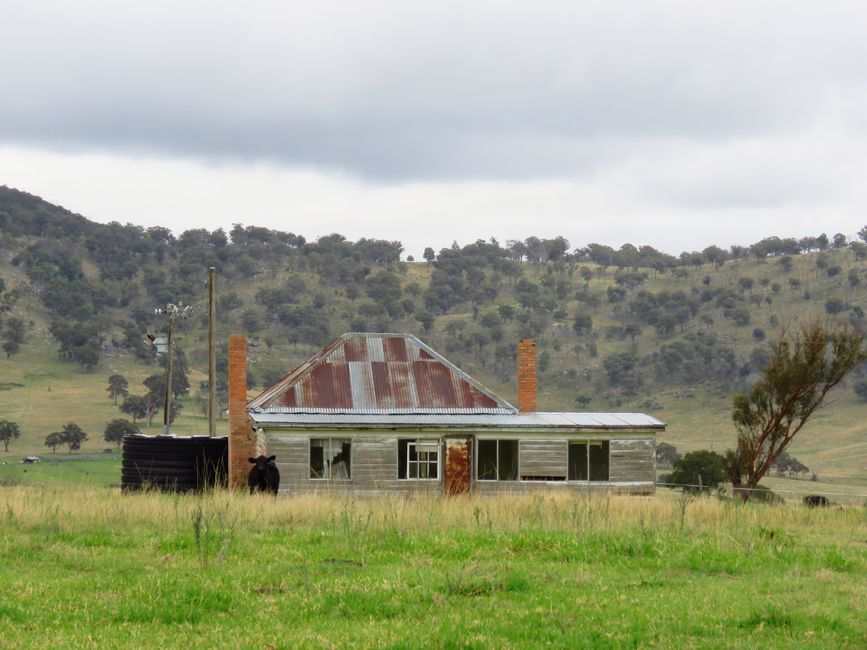
Many New Zealand houses were shaped by practical necessity long before they were shaped by design ambition. Villas, bungalows, state houses, suburban weatherboard homes and simple baches were often direct responses to available materials, climate, budget and labour.
Their shortcomings are well known.
Poor insulation.
Cold bedrooms.
Condensation.
Draughts.
Inadequate ventilation.
Maintenance deferred for too long.
But the stronger examples also reveal something enduring: a belief that a home should work hard for the people inside it.
That idea remains relevant today.
A house can be visually refined and still be uncomfortable.
It can have generous glazing and still overheat.
It can be beautifully detailed and still trap moisture.
It can photograph well and yet make daily life unnecessarily difficult.
For many households, the test of good design begins after the photographs are taken.
Does the morning routine feel easier?
Can wet coats and shoes be dealt with without taking over the entrance?
Does the kitchen support conversation as well as cooking?
Can an older family member use the bathroom safely?
Can the house stay comfortable through changing seasons without constant intervention?

These questions bring design back to lived experience.
Place matters as well.
A home in Auckland does not face the same conditions as one in Wellington, Christchurch or inland Otago. Humidity, wind, sun, salt air, rainfall and ground conditions all shape how a house should perform.
A good home responds to those differences rather than pretending they do not exist.
Orientation matters.
Shelter matters.
Drainage matters.
Material choice matters.
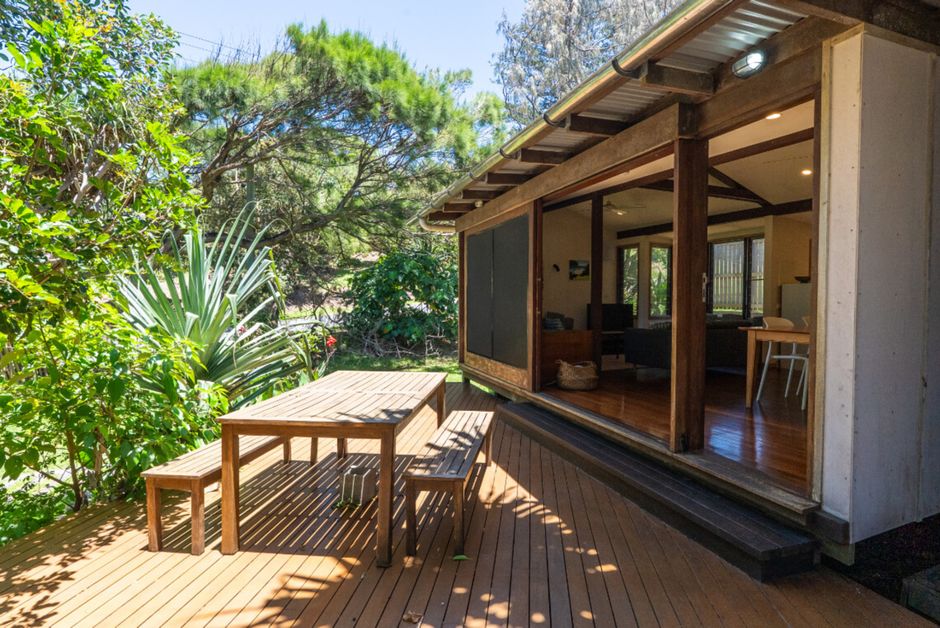
The relationship between indoors and outdoors matters.
The most convincing homes often feel specific to where they are.
This sense of place also extends beyond climate.
In Aotearoa, ideas of home are closely tied to belonging, continuity and relationships with land.
The Māori concept of tūrangawaewae has particular cultural meaning through whakapapa, whenua and identity. It should not be reduced to a general synonym for “feeling at home”. But it offers an important lens for understanding why place can carry emotional, historical and intergenerational significance.
For many households, home includes more than the building itself.
It may include the garden that has been planted over decades.
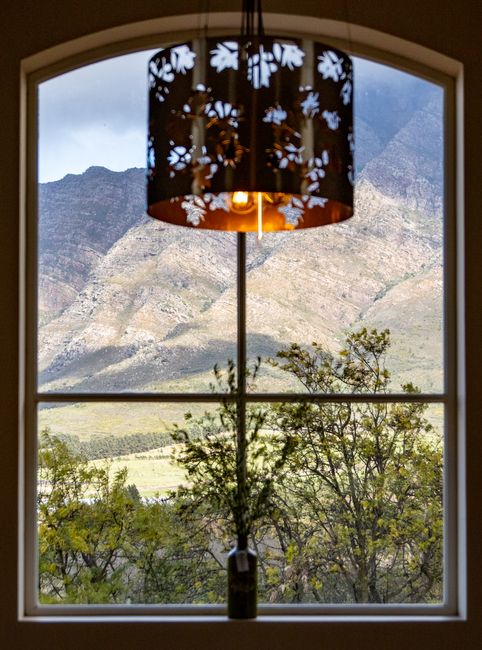
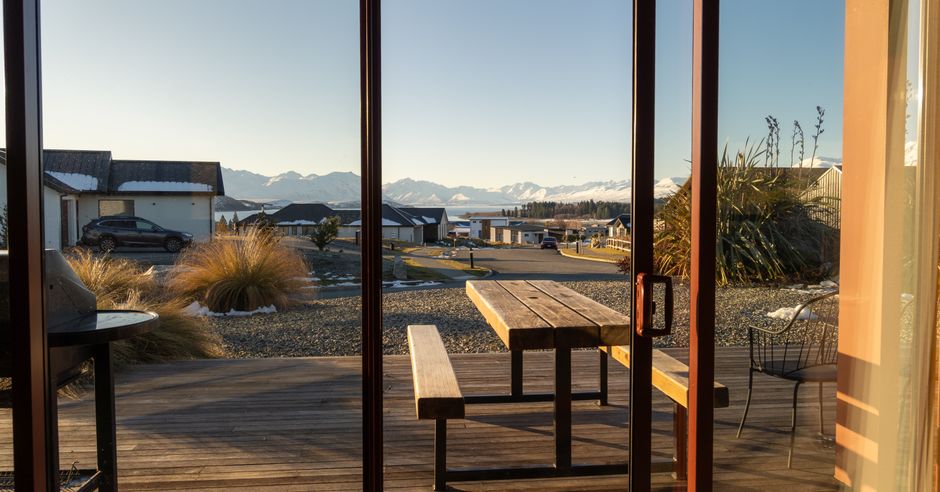
The view that locates a family within a familiar landscape.
The neighbour who checks the letterbox.
The fruit tree planted when a child was born.
The workshop, shed, deck or back step where everyday life accumulates.
A good home therefore does not only provide shelter.
It creates continuity.
That idea is becoming more important as household structures change.
Some homes now support several generations under one roof.
Others need to accommodate adult children returning home, ageing parents, flatmates, remote work or periods of changing independence.
The result is a growing need for spaces that can adapt without requiring major reconstruction.
A bedroom may later become a study.
A ground-floor room may need to support an older family member.
A second living area may become a quieter retreat.
An entrance may need to serve both privacy and connection.

The best homes do not predict every future use.
They simply avoid making change unnecessarily difficult.
This is also why comfort should not be confused with luxury.
A comfortable home may be modest.
It may use familiar materials rather than rare ones.
It may have evidence of wear.
It may contain furniture that has moved through several households.
It may show repairs rather than conceal them.
What matters is whether the space feels cared for, usable and settled.
Materials play an important role in this.
A good material is not only attractive when new.
It should make sense in its environment, tolerate use, be maintainable and age in a way the household can accept.
Timber that can be refinished.
Stone that develops character rather than appearing damaged.
Metalwork that can be serviced or replaced.
Surfaces that do not demand constant anxiety.
These choices support a longer view of home ownership.
Maintenance, in that context, is not evidence that design has failed.
It is part of the relationship between a building and the people responsible for it.
The strongest homes make that relationship manageable.
They allow components to be inspected.
They make common repairs possible.
They avoid unnecessary complexity.
They give owners some understanding of how the house works.
This creates confidence.
And confidence is an important part of comfort.
A good home does not need to be perfect.
It needs to be understandable.
It needs to respond to its place.
It needs to support the people who live there now.
And it should be capable of changing without losing its usefulness or identity.
That may be the most useful definition of a good New Zealand home:
not a finished object,
but a place that continues to work, adapt and be cared for over time.