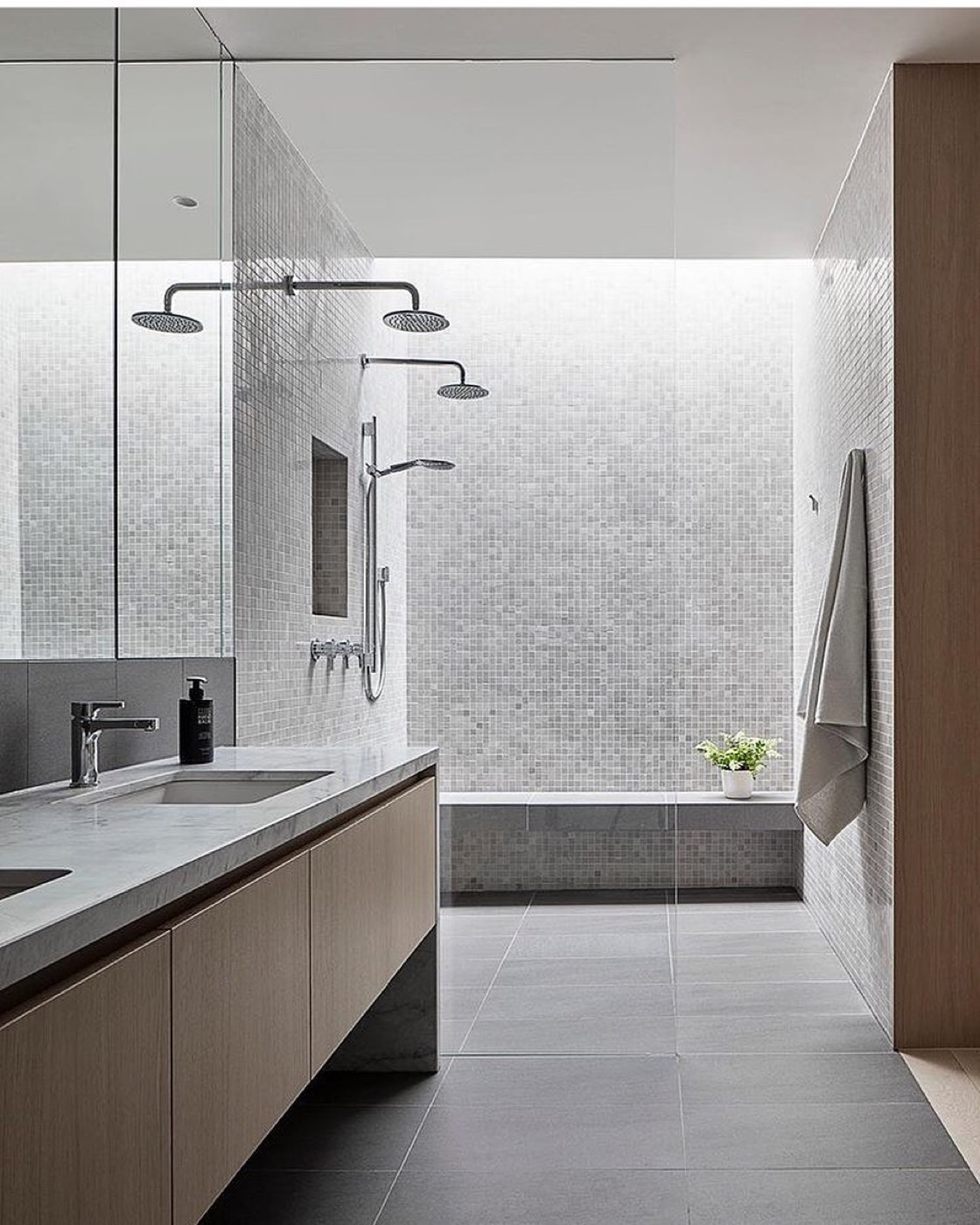
The Hidden Moisture Problem
A 10-minute shower deposits roughly 200ml of water into the air of a standard bathroom. A family of four showering daily generates nearly a litre of airborne moisture — every single day. Without proper ventilation, that moisture condenses on cold surfaces, penetrates grout, and eventually reaches your framing and insulation.
Why Your Existing Fan Is Probably Insufficient
The standard fan installed in most NZ homes moves 50–80 cubic metres per hour. Building code requires a minimum of 50m³/h in bathrooms under 10m². In practice, most bathrooms need 100–150m³/h to clear steam within 15 minutes of a hot shower.
The other common failure is the exhaust path. Fans venting into the ceiling cavity rather than outside simply pump humid air into the roof space, causing mould in your insulation and rot in your trusses.
What to Install Instead
A heat-recovery ventilator (HRV) is the gold standard — it exhausts humid air while recovering 80% of its heat. For bathrooms, a timer-controlled fan that runs for 30 minutes after the light is switched off works well. Look for units with a humidity sensor that activates automatically when moisture levels spike.
The Right Installation
Ducts must be insulated, run as straight as possible, and exit through the roof or external wall — never into the roof space. Hire an electrician and check council requirements for your area.